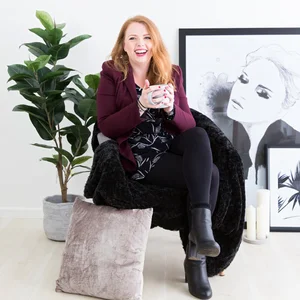
Episode 19 | Kris & Jesse Gollan Discuss Vision to Venue & Building a Business That People Remember.
What does it really take to build a successful small business? In this episode of the Enriched Wealth Podcast, Kris Tatt sits down with Jesse Gollan, co-owner of Get Naked Espresso and The Drawing Room, to explore the journey from spotting a gap in the market to creating one of Bendigo's most recognised hospitality experiences.
Jesse shares the realities of entrepreneurship — the excitement of opening your doors for the first time, the challenges of cash flow, employing staff, making difficult decisions, and the relentless pursuit of continuous improvement. Together, Kris and Jesse discuss why having a clear vision matters, how strong business partnerships can elevate an idea, and why the customer experience extends far beyond the product itself.
Throughout the conversation, they explore:
How identifying a niche can create a competitive advantage.
Why every successful business is really in the experience business.
The importance of delegation, leadership and building a strong team culture.
Learning from mistakes and embracing continuous improvement.
How to balance creativity with financial discipline.
The value of surrounding yourself with trusted advisers and a strong business network.
Practical advice for anyone thinking about starting or growing a small business.
Whether you're launching your first venture, growing an established business, or simply passionate about entrepreneurship, this episode is packed with practical insights, honest reflections and valuable lessons from someone who has built successful businesses by staying true to their vision.
Transcript
Kris Tatt
In this episode, I sit down with Jesse Gollan to talk about the Drawing Room, get naked espresso and starting a small business, running a small business and having vision and seeing that vision come to life.
It is a great episode if you're a small business owner, thinking about being a small business owner or want to know some of what went into making the Drawing Room a reality.
You want to stay tuned for this episode.
Let's jump in.
Welcome to the Enriched Wealth podcast.
Today I'm excited to be joined by Jesse, owner of Get Naked Espresso and the Drawing Room.
Unfortunately today, Jesse, we were supposed to be interviewing Hayley, but we have the other half, the lesser half, the equal, the equal.
Yeah, that's a good way to do.
All right.
Well, that's that's rolled into it.
So welcome, Jesse.
Thank you for joining us.
I'm really excited about today.
I'm really excited to hear your journey and your story about business life, small business.
You've had quite a journey.
You've owned different businesses, very successful as well.
So you've sort of got boots on the ground with all of that.
But I'd love to hear, and we were actually just talking a little bit beforehand.
What was the genesis for you to go into small business?
What was the thing that was like?
You know what?
I'm going to give this a go.
Jesse Gollan
I think the the real marker is when just seeing a bit of a niche and seeing that things can be more flexible and just kind of taking the plunge and doing something that I believed would work and being young and naive enough to just see how it went.
Really, yes.
But seeing a gap in the market, I think is pretty much the moment that anyone really starts thinking about going into their own business.
Kris Tatt
Yep.
So what what was the gap that you saw?
Because it was get naked espresso was your first, first venture.
So what was the gap that you saw that you sort of said I something's missing here.
Jesse Gollan
And back then everyone was just making great coffee.
There was a bit going around, but the real culture hadn't quite hit the ground in Bendigo just yet.
And the, and everyone was doing breakfast, lunch and the coffees as well, which was kind of taking away from the focus that could be put on and elevating that product.
And specifically with our shop was just doing coffee and, and predominantly take away everything was really simple and super, super fast.
And I guess the scary part was that it meant that we shook off all those other products that were perceived at the time to be the things that kept the doors open.
Yes.
And so if it was going to work, it had to be extremely busy and straight away.
And thankfully, everyone, well, the general public got on board with that pretty quickly.
Yeah.
Like, hang on, this is way better than we've been experiencing.
And we can just go and get a coffee and not have to stand behind people that are waiting for a table or.
Kris Tatt
So you've really, you really flipped the model on the head in a lot of ways, didn't you, in terms of, you know, it was the, the traditional cafe sort of a bit of bit of everything for everyone and you sort of really niche down and said none of the gap is people just want cold coffee.
Jesse Gollan
And specialising, so which makes a statement anytime anyone does anything with any industry that is really specific and everyone kind of goes, oh, they must be specialists.
Yes, there's, they're obviously really passionate about that.
And which is essentially one of the best business models to be seen to be very passionate and get people's attention.
Kris Tatt
And I think to people, people value when you do something really well, don't they?
It's sort of that you do this and I'm coming to you because you do this really well rather than just being a bit of a generalist in everything.
Jesse Gollan
Now more than ever, really.
Kris Tatt
So do you, do you, do you remember your first week?
How did that feel?
Sort of you've setting this thing up.
It's, it's all going.
Obviously everything went very smoothly, all to plan.
There were no hiccups, no issues.
Jesse Gollan
I wish I could say that we it was just a whirlwind and but really fun.
It's the ultimate adrenaline rush when you're putting everything on the line and putting yourself as guarantor for lots of things and yes, dropping in whatever savings you've got to pack yourself.
And we had our council health inspection that morning.
Oh, wow.
There were people waiting outside that had been keeping an eye on it.
And one of the customers, I'll never forget her, she popped her head and said, are you, are you open yet?
And I looked at the health inspector and I said up to you.
And she said, Yep, all good.
And I said beauty.
And she came in and I made my first coffee within 30 seconds of getting the tick.
Kris Tatt
Yeah.
Wow, that's awesome.
Jesse Gollan
That's yeah.
Kris Tatt
Yeah.
Jesse Gollan
And it's pretty crazy, but it's really satisfying and scary.
But if you're doing something that you're enjoying and it's all worthwhile.
Kris Tatt
Yes, yeah.
What were some of the learnings that came out of some of those early days?
I mean, we, we talked, we talked a little bit prior to here where you kind of said if I knew everything now, I might have second thoughts.
And I think for everyone in business, there are moments where they go, what have I done?
What am I getting into here?
What, what is this?
So in those first few months, what were some of the things that you you sort of look back on now and go, Gee, I wish I had a known it different or wish I had a wish I had a known that and and sort of a bit of reflection on on past selves and say what some of the wisdom you'd bring to young Jesse.
Jesse Gollan
I think business is just like life as well.
If we all looked back at ourselves 5-10 years ago and we would be like, what are you doing?
Or well, we might give ourselves a break and say, well, we didn't know that.
And things come from experiences and, and just got to embrace the mistakes and have fun along the way.
Because if you're very mindful of your mistakes, then you can make sure they don't happen again.
And the way is a learning experience.
And I think it took a while for those hard hitting experiences to come through.
And I guess the first one, and it's, it's always hard when you go out on a limb and and then you realise that you've got to keep the bank account full.
And yes, and when you've got a landlord threatening to chain you out of your own premises, it gets pretty, pretty hairy and you start thinking on your feet.
Kris Tatt
Yes, and adapting exactly.
Jesse Gollan
Yep, becoming very good at just asking very nicely for all sorts of different things and but I think the key is to not be afraid in the moment because the realities are very real.
But attacking problems head on can be the difference between making it through or syncing really.
Kris Tatt
And I think it's, it's that adaptability and and that that desire to go, it's a problem I've got to fix.
I can't just put it to the side and deal with it in a couple of months time.
There's a lot of real problems out there and.
Jesse Gollan
And I still do that.
Of course.
I'll deal with it later.
Yes.
What's at the top of the list?
Hayley and I, she's taught me to write lots of lists.
Yes.
And it's like, OK, put it at the top of the list.
And then then when there's too many things at the top of the list, you've got to make a new list.
Kris Tatt
Of then the priorities from the previous.
Jesse Gollan
List.
So this list is at the top of other lists.
Kris Tatt
Top of the list.
Review the other lists exactly.
OK.
No, that's good.
So did you, did you, how soon after you sort of kicked off, did you then have staff members?
Because I think there's, there's one element of you've got the operations and then the next element is you had staff.
And all of a sudden the complexity feels like it goes up tenfold because you're not only thinking about you or the customer, you're not thinking about you, the customer and the employee.
Jesse Gollan
Definitely, there's two elements to having staff where you're they're trusting you to maintain their employment and all the obligations on the financial side.
But then you're also motivated to make the most of those staff so that you can then do things in the background to make sure that the business is growing while those staff are hopefully doing exactly what you want them to be doing really.
But it didn't take us very long to put on a couple of staff in the early days, but I think it was still new and exciting and it just had to happen.
But to Fast forward to when you ask about like advice and things like that, and staff should only really come on, in my opinion, when you need them because otherwise it kind of just dilutes a few things.
And the staff are always going to be more expensive than yourself, which ties into lots of other things.
But.
Kris Tatt
Yep.
And I think that's a real balance for small business owners, isn't it?
Because it's, I mean, if you had unlimited funds, we'd resource every position, spend your time training them to then leverage and go on to that next step.
But when you've got limited resources, you then have this trade off of yeah.
And and there's always this thing in the back here.
Well, I can do that.
But you doing that might forgo you doing something else.
Jesse Gollan
Yeah, exactly.
And the balance is the keyword that you said, because you can go way too far the other way and end up delegating everything and all of a sudden it costs a lot and they might not be doing those niche things that you're doing the best.
So it's about figuring out what you can do the best and and delegating the other things.
Kris Tatt
And I think too, there's the one of the other balances is that culture piece as well, isn't it?
And I think that's very important, especially whether it's the first start up or, you know, looking now at at the drawing room as well too, what making sure that whatever, whatever you're building has the right culture.
So if you're not there, it's very hard to help impart that cultural help, give feedback to people to to go on that journey.
So how do you find that that struggle, that discussion, that building that that right presence?
Jesse Gollan
With the balance, it is tough, but it almost has to be plugged in as one of the elements of the business.
Yes.
And Hayley and I call call it the thing.
Kris Tatt
I like that.
Jesse Gollan
Because it's really hard to take minutes of what you did while you're doing the thing or justify what you were doing.
It's essentially just structured smooshing.
Kris Tatt
We've got all the technical terms today, so it's the thing structured smooching.
Jesse Gollan
Smoozing.
Now I can't even say it.
You've, you've broken my brain.
Schmoozing.
Schmoozing.
Kris Tatt
Schmoozing.
That's it.
Jesse Gollan
I, I said it wrong in the 1st place, that's why it was right.
But some it is a really, really important element, especially once the team starts to get larger.
It's you can manage the culture personally when it's a small team and but but when it gets a bit larger, the thing kind of becomes a bigger job and you end up mingling and making, making sure that everyone's happy or and giving everyone audience for feedback.
And it's crazy how much more productive a staff member can be when they feel valued or a part of the vision.
Kris Tatt
Yes, Yep.
And I think vision's a big one that I see you delivering on in terms of taking something like an idea and actually making it reality.
So I'd love to hear some of your thoughts on how close, how different is the vision in your head to what's become reality?
Like if we let's take the drawing room, for example, please.
It's this beautiful place.
Now walk in.
But I didn't always clock that and didn't know what you know, for many years it probably stood not used the way it is now and not definitely not looking the way it is now.
So what what are some of your takeaways in terms of having a vision, bringing it?
Is it close to what you thought it was?
Is it everything or is it still work in progress?
Is it?
Jesse Gollan
The the last option sounds really great, but no I think.
Kris Tatt
In progress.
Jesse Gollan
Yeah, yeah, always.
Yeah, I think, I think that's one of the key elements of how Hayley and I work together.
Everything is always a work in progress and nothing's ever finite, nothing's ever done.
We're always re evaluating things and seeing how it can be changed, improved, elevated.
Kris Tatt
Do you find as a couple you're challenging each other on that in terms of that continuous improvement?
Yeah, yeah, absolutely.
What are we doing about this?
What are we doing?
Jesse Gollan
Yeah, exactly.
A lot of the ways that we run a business together ended up in our vows in our wedding because it's just so, so much a part of why.
And we value each other and work so well as a team because we challenge the absolute heck out of each other constantly.
But.
Kris Tatt
Value each other's opinions at the same time.
So the challenge is valuable challenge in terms of we're getting this to a better position than if I just came in myself and went.
I think it needs to be done this way or exactly.
Jesse Gollan
Yeah, Yeah, that's it.
And then reevaluating listening, which is back to the culture, just listening.
I think that kind of comes into a relationship thing, really just listening because at the moment that we think that we know everything and are right all the time.
You kind of just that's it I think.
Kris Tatt
You're probably setting yourself up for a new lesson at that point, aren't you?
To remind you that exactly you know, it's great to learn.
Jesse Gollan
Yes, it's great to be right most that means you're on the right track yes, but the the vision that we did set out to achieve is very, very, very much how it's turned out great.
There are little tweaks here and there.
We it all came from reevaluating what we could achieve at nude food because that we didn't move from there because it wasn't successful.
It was doing really well, but we were kind of we didn't see the top of the mountain.
We saw that it was going well and wanted to keep going and we realised that our desire for elevating the product was kind of capped a little bit.
The space was prohibitive to pushing into the functions, the kitchen was prohibitive to pushing into catering and just so we made the made the decision, but I think to take the plunge really.
Kris Tatt
I think that comes back to vision though, because if if you didn't weren't clear on where you wanted to be, it's very hard to identify all the little things that that are missing, yeah, that are stopping you from getting there.
It's almost, if you said, well, this is this is it.
We're happy, this is ticking along.
We'll just keep making this a bit better, but it's a huge thing to identify that it's not actually meeting where we want to be and we want to get that next step.
So yeah, of course.
And obviously that that decision didn't happen overnight.
It wasn't sat down one night and you know, over a bit of healthy discussion went all right, let's let's go.
It's it's a process, isn't it?
It was a.
Jesse Gollan
Long process, we were looking around for ways to expand and towards our vision and in lots of different areas, there are multiple venues that we thought about branching out as well or moving into.
And but we had our eyes on the building for a good 6 to 12 months before anything actually happened.
And yeah, well, when it came back on the market, we pushed very hard and that was the beginning of something pretty crazy.
Yeah.
Kris Tatt
So between obviously between when you, when it first came of the market and you've, you've acquired it and then you've started developing, what was the timeline that you spent working on it before seeing it come to fruition and having your first customers walk through the door?
Jesse Gollan
We, it's, it took a good month or two before we could really break ground.
And with not that we break ground, but Yep, to turn a phrase, yes.
Once we'd got past that couple of months of making a plan and figuring out the new vision and we just went absolutely ballistic for nine months doing a huge Renault that was designed by Hayley with her amazing eye for detail and interior design and, and mostly executed by myself with some with the help of a really good mate of mine and obviously the trades, yes, but it was nine months of 5:00 AM to 2:00 AM, 5:00 AM to 2:00 AM.
And then lots of lots of compromises.
Yes, unfortunately, I guess like big projects, you can't do everything and be everywhere.
Yes, Hayley was an absolute superstar, designing things in the background and raising our little family at the same time too, so.
Kris Tatt
Yeah, it's a huge endeavour that you've that you undertook there.
And I guess that's the thing that people don't see, like they see the doors open and go, oh, that's all that looks great, doesn't it?
But they don't, there's the journey to get there and it's the staying in the course because there's probably a few times that I imagine 2:00 AM, you probably felt like going what, what am I still doing here?
You know, this is a another day, so we're starting to get off again.
And obviously during that.
You had other businesses still running in the background.
So there's a bit of you've got to be in a position to be able to step away as well too.
So what what was some of the was highly helping support those other businesses while you were busy on the tools or.
Jesse Gollan
Well, that's another point because we were still operating nude food at that time, so she was doing all of that and running.
Everything at nude food over summer as well with a huge busy period and just took the reins like an absolute superstar and the the get naked espresso guys, they're just an absolute steam engine.
Those guys.
They just keep pushing and going and going and going and the standards don't drop and check in every now and then to maintain that culture.
Do the thing and but that was an absolute blessing to know that everything was under control.
Yep.
Kris Tatt
And what, what, what do you think talk about get Nike Express?
Because that was one that was obviously a very low touch point.
And there's probably business owners that they're going, I couldn't imagine even being a day away from from the business.
What are some of the things that you and Hayley have put in place to be able to help step away at periods or allow things to sort of run without having to be in it all day, every day?
Jesse Gollan
Just identifying which staff have the right attitude, which is all of them.
So essentially the delegating becomes very important, yes, And having a really clear structure of who's responsible for what.
Kris Tatt
Yep, clarity is is clarity.
Big piece.
Jesse Gollan
Huge huge piece and I am not a good delegator so.
Kris Tatt
It's highly a good delegator.
Jesse Gollan
She's a fantastic delegator.
Yeah, great.
And so often the conversation is no, but I want to do that.
I want to keep an eye on that.
And but the moment that you can actually just take that passion and show that person how to do that, along with the clarity of the role and that really, you know, opens up opportunities, yes, huge, big time.
Kris Tatt
Yep.
And it's, I guess it's again, you both bringing your different aspects of what you do to that and saying, you know, she's probably challenging you on delegating more and you're probably challenging on the other side saying, yeah, we can't let this go right now.
It needs exactly.
Jesse Gollan
Yeah.
No, that's it.
Yeah, it's just like 2 opposite sine waves that join in the middle and and hopefully like sometimes it's not right in the middle and Yep, but it's usually pretty darn close.
And you wouldn't want to be trying to have these conversations with the same person because you'd just end up going in One Direction.
Kris Tatt
Well, you'd have the blinkers on at the end of the day.
Would you like the ability to be able to have someone that you trust and whether you know it's great that it's, it's, it's your part for life as well too, not just your business partner, but being able to say we both bring something different to this and that's how we absolutely.
Jesse Gollan
Get the best outcome and that does transcend into doing business with other people.
So it's pretty similar.
Yep, Yep.
Kris Tatt
I want to talk a little bit about customers for a bit because your, your businesses would not be successful if you didn't have customers.
And I love that you still have in your mind that first customer that poked their head in the door and said that you, you open.
But obviously you've, you've dealt with many different people along the way.
So what, what are some of the things that you, you've brought in terms of value culture to the customer experience and building those customer relationships?
Because it's a very, it, it's a, it's a transactional business, isn't it Like you, you don't, it's not like a gym where you've got the membership or the personal trainer and things like that.
It's very much people come and if they have a great experience, they'll come back.
If they don't have a great experience, they might, might not come back.
So there's, there's a lot of pressure day in, day out to deliver a great standard and a great experience.
So what are some of the things that you're you also have learnt over the journey that you can impart in some of the the just that ethos that you bring day to day?
Jesse Gollan
I think, I think the keyword is transactional and that's exactly what we make sure that it isn't.
Kris Tatt
Love it.
Jesse Gollan
Because at the end of the day, when you ask yourself what, what business are you in?
We're not in the food business.
We're not, Yep, we're not making sure that people walk out nourished.
Like that's obviously a part of it, but it's the experience business.
So we make sure that people have a great experience and then all of a sudden the product becomes maybe 1/3 of the experience and the atmosphere could be another third.
And then the interactions, the social interactions become the other third.
And then all of a sudden it's just it's more it's more about coming into a place to have a good time.
Yep.
And making everyone feel heard and valued and really rewarding that moment where a customer becomes a regular yes, and not just a transactional like tourist or something like that.
Yep.
But we do that with everyone.
So that tourist might come back next time they come to town, yes.
Kris Tatt
I I love that you've identified because people would look and say we're in the food business and, and you very quickly went, we're not, we're not, we're in the experience business.
Yeah, food's part of that.
Jesse Gollan
Experience, yeah.
And it and it all like from everything from the ground up we've got everything starts with the coffee industry essentially.
So that is so social and it's such a pleasure to be in an industry where someone's so happy to see you, even if it is vicariously because you're about to give them their morning coffee.
But then the the breakfast industry is just, it's so like there's not much you can do to mess with it.
But and we've always just been able to capitalise on our ability to create that warm environment to start people's day on the right foot.
Kris Tatt
And I think environment's huge, like I've, you know, been to different restaurants and things over the years and some places you get in and you can't hear yourself.
It's just so noisy.
Other places you get in and the vibe just doesn't feel right, or you get greeted by someone who doesn't really feel like they want to take your order or even deliver you, you know, anything.
And so, yeah, experience is such a huge part of it.
So have you, have you been as the drawing room opened and you saw things unfold, did you adjust along the way as part of building that experience?
Was there things we did?
Yeah.
Jesse Gollan
Yeah, and you can aim for a particular goal or destination, but everything's always going to be a little bit different when you get there.
So I think identifying quickly is one of the keys because it is so cutthroat and there's all, there's so much on the line, especially when you've taken such a big jump.
Yes, to be very successful straight away.
So we were always adjusting the menu, offering, adjusting the style of service that was actually being given.
I think that was one of the first things to adjust really, because we wanted to take everything from nude food and just elevate every single element.
And so we elevated the food, which was great, and we elevated the service, but we dialled that back quite quickly because we realised that people didn't really expect or need that.
They just were happy with everything else being elevated.
And then as you said with the noise, the, the first moment that that building filled up, it was just we're like, oh, OK, acoustics top of the list, yes.
And so that was a, that was one of the first big scrambles for adjustment.
So acoustic panelling under all the tables and bits of hidden in in the walls and bits of the roof and.
Kris Tatt
Amazing waffle.
Jesse Gollan
Foam under chairs and tuning the frequencies of speakers to figure out exactly that perpetual ringing that comes from a crowd of people in a room and and so that's.
Kris Tatt
People look and go, it's just a space like, but that is that is so important in terms of a great experience, being able to hear the person across the table, being able to give your order without having to shout and things like.
Jesse Gollan
That so exactly.
Our favourite one was when the ladies would come in because that was one of the biggest offerings that we couldn't do before.
Have a nice space where people would dress up and have a bottle of champagne and they'd say they'd be drinking champagne, screaming at each other, laughing, squealing, and then they'd say, oh, it's a bit noisy.
Kris Tatt
Amazing.
Yeah, it.
Jesse Gollan
Is you're right, but glad you're having a good time.
But the the actual menu offering, it's just evolving all the time.
We've never, we've always had that as a part of our business plan to just continually.
Kris Tatt
And I think, and I think that is a big part, isn't it, as part of the experience is you want to delight, excite and surprise people, not just go over here, have the same thing we had 12 months ago.
It's different and it's great.
And it's exactly.
Yeah, talking about customers, I mean, you talked earlier before about listening to Hayley.
How do you and Hayley listen to your customers as well?
Because obviously there's a an engagement piece too that's it's very hard to deliver a great experience and great products if you never, if you never talk, if you never listen.
So do you collect feedback on a regular basis?
Do you?
Is it something that's like a process or is it just you get the vibe you're just making sure that you're you're out there talking to people.
What?
What?
What sort of your, yours and Hayley's?
Jesse Gollan
So we give every customer a form.
Kris Tatt
Yeah, great.
Yeah, You cannot leave without completing.
Yep, Yep, 1:00 to 5:00 and.
Jesse Gollan
And it is.
There are multiple approaches and it's just about teaching the team how to use different avenues because not every person likes to be asked directly or Yep and.
Kris Tatt
Which is a real emotional intelligence piece as well, isn't it?
To to staff, to say your job is not just to serve.
Jesse Gollan
Exactly.
It's to collect, yes.
Kris Tatt
Data for us to make this better.
Jesse Gollan
And make it seem seamless, like you're not hassling or interrogating.
Yep.
And because that becomes transactional, yes.
And so.
Kris Tatt
Nearly more than the phone does like.
Jesse Gollan
At the end of a phone call, please stay on the line.
It's completely short.
It's just like, gotta go.
So it's just about asking, talking, building relationships.
Yep, Once you build that relationship with our, we've got a huge amount of regulars that are part of the other side of the culture and they'll just tell us anyway.
And but with with the new staff or new customers, it's just about being perceptive to if they've left half a half a drink and they're definitely not having it, it's just how was that?
Was there, was that OK?
Did you enjoy it?
And the rest of the time it's just, I'm just really full or Yep.
But actually collecting that data is they might say I was wrong or it was not to my taste or with a meal, just saying, how'd everyone go?
And or if they're all completely clean, you could say, oh, you saved me doing the dishes.
Like they just join in and just levelling with people kind of just those tricks to instantly break the ice and not seem like a robot.
Because then people will open up 99% of the time.
You just make that first step and then they will, they will.
Kris Tatt
Come in the.
Jesse Gollan
Reciprocate and then you just have to be listening.
Kris Tatt
And I think that's one of the keys is it's one thing to ask a question, it's another thing to hear the feedback, isn't it?
Yeah, exactly.
Have you ever received feedback that was hard to hear?
Have you ever heard when it's all this that that stung?
Or has it always been pretty positive or?
Jesse Gollan
I think as a passionate business owner, you it all stings if it's negative and thankfully it's most like wildly positive.
But if there's ever anything that was not up to speed or anything like that, it's not so bad because you don't have to just freeze.
Because sometimes those problems are an opportunity to give better service than you could have given someone in the 1st place.
Back to our T-shirt brand.
Problems are opportunities in disguise and you can't go that next level and fix a problem if it didn't happen in the 1st place.
And people are really impressed when a staff member can fix a problem.
They're used to it just being I'll just stay quiet or I'll it is what it is, or I'll yell at them and that'll be the end of it.
That's not how we've trained our team.
Everything gets either absorbed and fixed essentially, or at least they'll know that we were trying to help.
Kris Tatt
Yep.
And I and I love that.
And I think that's that's probably more important than ever in this day and age in terms of being able to interact with with customers, being able to collect that feedback because you in this social media world, they can very easily walk out quietly and then go and.
Jesse Gollan
And then you can't do anything about it.
No.
And thankfully the product is only 30% of the theoretical model.
Yes.
That's not even a word.
Yep.
So if if for some reason you can't deliver on that, you just deliver on the rest of it.
That still gets it over the line.
Really.
Yeah.
Kris Tatt
For you and Hayley, what do you feel is some of the challenges you're facing as as small business owners as a as a couple as well in terms of the day to day?
I mean, there's the day to day, there's the operational.
Is there anything else that you sort of look at and go that's I just wish like that part would be easier or?
Jesse Gollan
Yeah, I'll get my list.
Kris Tatt
Yeah, great.
Go for it.
Jesse Gollan
But there are a huge amount of challenges, but to to choose the top ones I guess that are the hardest.
Just keeping up with things, moving so fast, really being flexible, being aware.
Kris Tatt
And things are changing at a rapid pace at the moment, aren't they?
Jesse Gollan
Having your ears up and just looking out for the next thing that might be coming around and then adapting, but then also not not adapting in a negative way.
For example, our philosophy is that the harder things get for the general public to spend money on treats and special things.
It doesn't mean that you just roll over and accept that you're going to lose all your customers.
You go the other way and say, well, it better be absolutely amazing because they don't call them luxuries for no reason.
So the I think that weeds out the people that are going to just reduce the quality of their product to try and keep the margins.
We we try and just make sure it's our best experience so that when people do choose to spend their money on that, that they think of your business first.
Kris Tatt
And I, I love that because I think that is, that is you adapting in a way that maintains true to your vision, true to your brand and your ethos, rather than saying, well, changing things.
We have to do this now or we have to do that or we have to be, we have to become more like McDonald's.
No, no, no, we, we have to go the other way.
We have to make sure that if if we're in the experience business, it's the most amazing experience.
Jesse Gollan
Exactly.
Yeah.
And those back to the experience, those other things other than the product don't cost any money usually.
Kris Tatt
It's yeah, it is, it is to, to give great experience.
It is just, it's, it's just being able to show up and and do it well, isn't it?
A lot of the time.
And it's, it's, it's how you approach it that that is half the battle.
Jesse Gollan
Exactly, Yeah.
Kris Tatt
Small business is obviously a is a challenging thing.
We've talked a bit about early days and, and rents and landlords and things like that.
How important is the numbers to you and Hayley in terms of do you, do you sit down, you know, once a year and go, is everything going all right?
Is it a, is it a weekly thing?
Is it a?
Jesse Gollan
It's a constant thing, yeah, yeah.
That the evaluating process doesn't wait for you and to know what's working and what's not working.
It's really great to have the financial side of the business as a part of the vision.
Yes, and to set short term goals and daily goals.
Weekly goals, monthly goals, and yearly goals are pretty hard to control.
Yep, but if you look after the weeks, then the months tend to look after themselves.
Kris Tatt
And flow on effect from there.
Yep, Yep.
Jesse Gollan
And then it's nice to reflect on the year.
Yes, I'm sure you know all about that.
Kris Tatt
Yes, Yep, Yep.
No in in accounting and financial planning.
We're good at reflecting, but it is there is that that there is that constant daily isn't it around you know, what are we taking, what do we do?
Are you tracking different product lines within the business as well to measure success?
Obviously that also impacts or like there's just all these flower effects that if you don't, if you're not across the numbers, you can very easily run into issues across the board, can't you?
Jesse Gollan
Yeah, of course.
And there's always a flip side to everything.
There's no, I wish there was a rule, do this, do this.
It's this is a good thing to keep an eye on and keep the balance because you can look at them too much and then end up just flip flopping and yes, not not maintaining A consistent offering or seeming desperate or and seeming frantic.
And that's when there is untangible goodwill, community, trust.
Things can get in the way a little bit or the staff might get frustrated or and that culture could be affected or just drive yourself completely insane really.
Kris Tatt
And there and you can really lose yourself in the numbers.
And I'm, you know, I know even some of our, our, our accountants would say you run a good business and the numbers almost take care of themselves.
Doesn't mean that you are ignorant to them.
You still got to be across them.
But there is a bit where you've got to be true to the business that you're running, got to be true to looking after your customers, your clients, and then all of that.
There's a knock on effect from that.
But you can't always drive based off the numbers.
You got to drive based off what you believe and and see it come back through.
Jesse Gollan
And it's also very subjective because it depends on the individual how much they understand the numbers, because numbers are just numbers, and you've got to actually make them tell you a story with the knowledge and experience of seeing which ones affect others and which ones matter and what they actually reflect.
And back when I was a young, naive coffee shop owner, in the early days, it was just.
I had a pretty good idea of how much should be in the bank at the end of the week and if it was that, it was fine.
If it was more, we had a good week and if it was less I'd be like, crap, what do we do?
And that was it.
But that was all I knew how to do and I couldn't have given myself any advice back then, which I think is good for people that are going out into business.
You aren't expected to know everything, no, but it's just great to know which things you don't know.
Kris Tatt
And I think sometimes too, some of the best lessons learned are the ones on the ground.
You know, you're better off having a an expensive lesson when you're small than an expensive lesson when you're exactly when you're expanding and at that next level.
So.
Jesse Gollan
That's it exactly.
And relying on people that have that experience.
Kris Tatt
Yep.
So on that small business owner, you obviously engage professionals along the way here and there in terms of finance and those kind of things.
So do you have an accountant?
Jesse Gollan
Yes.
Kris Tatt
Yep, mortgage product or bank manager relationship.
Jesse Gollan
Yes.
Kris Tatt
Yep, Yep, legal.
Jesse Gollan
Not specifically, but in the network.
Kris Tatt
Yep, great.
And, and I think that's the big thing is you've, you've got to, you've got to have these people to be able to call them when you need them because you might not need them day in, day out, but when you do.
Jesse Gollan
Absolutely.
And it's good to have a like a small excuse to get in the door with someone so that you've got a a contact when you need something or building that relationship so that you can call on people and Yep, help out.
Kris Tatt
One of the big things that I want to talk to you or one of the other things I want to talk to you about is you've also been good at partnering with other businesses around Bendigo and things like that as well too.
So how important is that?
Because obviously people just think we just build something, customers come and where you go, but you've, you've been big on, on the, the, the small business community here in Bendigo as well, too.
So any insights into your passion around that, the support you've been able to give other business owners as well?
Jesse Gollan
Yeah, definitely, I think.
Kris Tatt
Well, you and Hayley, sorry, it's not just it's it's I would say, yeah, definitely a joint joint exercise there that you both have been going on and.
Jesse Gollan
Thank goodness, because I I tend to call myself Patrick Star these days because so much going on I live under my rock and Hayley’s great at keeping those connections and savvy with social media, which is kind of where small businesses tend to band together and promote each other.
But the great thing about the small business in Bendigo is that it's a great way to kind of philtre out a network of people that are thinking the same way and going through the same thing so that you can support each other.
Kris Tatt
And it's really important to have those like minded people, isn't it?
Jesse Gollan
Exactly.
You run into like your long lost cousin at a party and they'll say how's business going?
And you say yeah, pretty good.
But then you catch up with other small business owners in Bendigo and you can actually get deep and say like, oh, we're going through this at the moment and it is hard.
And these are the challenges.
And then the opportunity to trade advice and trade experiences and to really elevate that common knowledge and vision.
Kris Tatt
And I think too, like obviously the people in the community are all well call of experience Cafe experienced people, but it's, they're not all coffee shop owners and things like that, are they?
It's, it's a broad range of things.
And I think that's the value is in sometime hearing different people's well, the challenges and perspectives in different businesses.
Jesse Gollan
Yeah.
And but thankfully at the end of the day, business is business and it doesn't take very long to get down to the common element.
And it almost doesn't matter what you're offering.
You can start just using different words for things.
You're always, everyone's always offering something and it's what brings your customers through the door or what brings clients into your office.
And Yep, it's, it's all, it's all the same and it all works in a pretty similar thing to a degree, obviously, yeah, depends what sort of market you've got and how, how quickly things move, Yes.
But those base structure, infrastructure things that you look after are all pretty similar.
Kris Tatt
Yeah, there are core tenets across all different businesses, isn't there?
No, that's, that's great.
What's what's, what's one piece of advice you, you see and give to new small business owners out there that might be, you know, come that you see pop up in the community or your someone's come to you and said, Jesse, you've, you've been in this game a while now.
What's, what's something I need to know?
What's what's the piece of advice you would give to that person starting out?
Jesse Gollan
Educate yourself because I touched on a sentence earlier, which is really powerful that you can't ask questions about something that you don't know.
It's kind of like a double negative really.
So if you do some research and find out the things that you find are daunting about, like structure from the ground up or operations or things to keep an eye on, then you can actually go to an accountant or someone legal and ask those questions.
Instead of feeling like you're just getting everything thrown on top of you really.
It's good to be able to understand and really meaningfully put those things into practise on the ground as well, instead of having to just rely on that meeting or trusting people.
Kris Tatt
Or learning with the school of Hard Knocks.
Yeah, there's enough lessons out there without having to do that all the time.
Jesse Gollan
For sure, yeah.
But that's that's a.
That's a big element really, and which is why I struggled to get that sentence out.
Kris Tatt
No, no, no, it's no.
It's good.
Jesse Gollan
Yeah, but I, I don't, I was trying to think if that was enough of an answer for what advice would you have?
I guess I think the that's kind of a harder one, but an easier piece of advice is structure things properly from day one.
And whether that is the company or sole trader or bank account structure or bookkeeping, it's really hard to play catch up a year down the track or a year and a half down the track.
So you're getting things set up straight away.
Kris Tatt
And I think too, it's a little bit like starting family.
If you wait until the baby comes along to get the the crib and everything else, yeah, you will always feel like you're you're running five steps behind and playing this catch up game where if you've got some of those things set up prior to yes, you have the most time before you start the business.
As soon as the business starts, finding that time is harder and harder.
Jesse Gollan
Definitely.
And there's so many things that can be done beforehand with the education, with the infrastructure.
There are some things that once you push the button, start costing money.
So figuring out which ones now and which ones you don't.
Business names are an easy one, and having a baby analogy is great for that.
I'm sure that there's plenty of people who have been sitting in the delivery room saying, what do you look like?
And but sometimes that might be taken or yeah, but it's just fun to do the homework and be prepared.
And because there are so many other surprises that need your attention in the moment.
Kris Tatt
Yes, and and to think I will have the time again is not always it's.
Jesse Gollan
Never going to happen.
Kris Tatt
No.
How do you and Hayley go in terms of finding that time to be planning and dreaming for the future?
I mean, in some ways you, as you said, there's always that continuous improvement.
So is that, do you have like a discipline time where you sit down and have a meal together or you know, or, or is it sort of really ad hoc on the fly as you're going along identifying issues or identifying ways to improve or?
Jesse Gollan
At the moment it is very on the fly ad hoc as things just don't seem to slow down.
Yep, but the lists are great.
Yes, having shared calendars are great.
Kris Tatt
Yes, knowing where the other person is.
Jesse Gollan
Exactly, exactly.
Locations are great.
We're not up to anything except for working.
So bring it on.
Yep.
And but it is really valuable to make that time.
But thankfully we have figured out each other's strengths and often that gets done and in like locking sessions and then kind of just feedback what we did at that time.
If something does need discussing, we just make it happen or love it.
If for some reason someone wants to babysit our kids, we'll go out for dinner and just talk about work all night.
But that's what.
But we love it.
So yeah, we couldn't think about anything else really.
Kris Tatt
And I think that's one of the things for anyone, if we talk about small businesses, you've got to be passionate about what you do because if you're not passionate.
Jesse Gollan
Exactly.
Kris Tatt
It comes out very quickly and and it makes all the hard things harder.
Well, when you're passionate, yeah, the problems be seem more like opportunities.
But exactly, if you're not passionate, they're just problems.
Jesse Gollan
And then it becomes transactional, yes.
And then that becomes boring and bland and.
Kris Tatt
Frustrating and.
Jesse Gollan
Yeah, because the heat, the heat really does get turned up.
And if you don't want to be there, then your mind can go to some pretty funny places.
Kris Tatt
It certainly can, especially when you're when you're in, I think too early on when it's just you, you've got your own thoughts and your own it's it's you can sort of lose yourself there.
So of course, yeah, absolutely.
You mentioned about you and Hayley and knowing each other's strengths.
Was that something that you have sort of found over the journey together or is it something that you sort of set out to identify each other's value in terms of what you bring to the business?
How did, how did that sort of come about?
Because I think there'd be people who, and I've, I've met people who probably well down their, their journey of relationship and they still don't always are unable to easily define what the other person brings or things like that.
So was it a bit of a process?
Was it something that just sort of happened?
Jesse Gollan
It's a constant process really.
The the first sign that you can really work with someone and with such big things is the ability to identify an issue and tackle the solution straight away and not get run down by the actual problem itself.
Yes.
And that's something that is obviously going to be different at different times for different people, but as a whole, that's something that we both really value in each other.
It's not a thing.
It's what we always used to say.
It's not it's that's not a thing.
Like that's not a nothing to worry about.
Yep, just sort it out.
It's like, OK, well, let's fix it.
If we can't fix it, then there's no point stressing about it.
We'll just figure out what it looks like.
Yes, and then having that emotional and mental capacity to solve problems and focus on solutions.
Kris Tatt
But I think that mindset is very helpful.
I think that mindset helps because we talked earlier about analysis paralysis and there's almost this thing where if the problem seems too big, yeah, you, your brain, almost it engulfs you and there's no way to actually then go, how do we sort this out?
How do we make Yeah, how do we come to a solution?
Because you, it's almost like you've fixated on don't know what to do where it's just, it's there.
Let's deal with it.
Let's let's work it out.
Jesse Gollan
Yeah, and not give up and there's nothing.
Yeah, yeah, there's nothing wrong with the paralysis.
It's just as long as you come out the other side and say we can't do anything about that, but we can do something about that.
Yes, it doesn't seem very big, but we'll do it.
Kris Tatt
And I think that's one of the hard things with small businesses.
Not every input output factor you can control.
So there's almost this bit of you.
You've got to focus on what you can do and what you can control.
Jesse Gollan
Exactly.
That's it.
Kris Tatt
Yeah.
And how do you, we talked a little bit before about focus as well.
And you're talking about how you love the idea that when you, when you can lock in and do something, it's amazing what you can get done.
So do you, do you or Hayley have any methods for, for that or saying we've got this task and you came from working on a task where you'd sort of were locking in.
So is, is there anything out there for?
Because I think that's one of the big things for small businesses these days is there's so many shiny objects, there's so many different things you could be doing, but a lot of it isn't always necessarily the core element of what, what will make you successful or what will actually drive the business forward.
So, but how, how do you go in terms of being able to define that focus?
Obviously lists we talked a little bit about, yeah, what, what are some of the things for you where you go?
I, this is important.
I know it's important.
I know I need to, I need to put away the other distractions.
What, what's sort of the process for you or Hayley around that?
Jesse Gollan
It's a funny question for me because I can't focus on anything ever.
And when I do, it's pretend.
Yeah, but I think focus is a bigger word than just being able to think about the one thing.
It's just about what?
It's kind of a synonym to the vision.
Like, what are you focusing on right now?
Like the vision is the bigger picture and the focus is the small elements.
Kris Tatt
That make up draw off that.
Jesse Gollan
And as long as they align and as long as the the journey is being reassessed as it goes and those focuses, if you're running the business by yourself, it's what's important to you right now, what needs to be done, what's on that list, Shuffle it around.
Don't be afraid to shuffle it around again.
Yes, because the focus changes every day.
The focus can change every 10 minutes.
Yes.
Especially in a business with spot fires.
The focus can be instantaneous.
Yeah.
And then, then you can lose that opportunity to do the other thing, and it's reevaluating.
All right, Focus on that.
And I think lists is writing things down.
Kris Tatt
There's almost such.
Jesse Gollan
A huge.
Kris Tatt
Brain connection, isn't it when you write it down the brain?
Jesse Gollan
Write it down.
Write it in the book.
This is getting a bit DNM, but I've got a book where I write everything down and then I keep writing things down.
And instead of scrunching it up when it's done, you highlight it and then keep going so that you can actually reflect on the things that you have done.
Because it's easy to feel very helpless when business gets hard, but if you can just reflect on the things that you have achieved, yes, and remind yourself that you do have the capacity to overcome maybe something that was bigger than that before that you would have done.
Kris Tatt
And I think the brain's very good at adjusting to the new or to the, the, the current or whatever, and say without that process, and I've I've coaches who will will stop me and say, what's what's a win since we last caught up, what's something you've achieved?
And you go back through and start listing things and you say, oh, wow.
But because the brain's dealing with the now we're thinking this or that you, you almost discredit all the things that you've done and that that reminder's huge, isn't it?
Yeah.
And.
Jesse Gollan
The wins, yes, that's that's it.
That's the whole series.
Focus on the wins, yeah, and achieve a.
Kris Tatt
Win another T-shirt.
Yeah, yeah, yeah.
Jesse Gollan
And and if things are getting hard, give yourself a false win.
Yeah, just get grab one of those little things from the bottom of the list and.
Kris Tatt
Get it?
The tops.
Jesse Gollan
Because the top priority is to get a win.
Kris Tatt
Yes.
And I think too that momentum as well.
Sometimes it's just it's just getting started and it's just doing that thing that that will get the ball rolling.
Jesse Gollan
Exactly.
Or talk to your accountant.
Yeah.
Or talk.
That's.
That's always a way to cheer up, isn't?
Kris Tatt
It Well, yeah, yeah, yeah.
I think there are great conversations again with some of them.
We get told how much tax you get in fact, probably isn't exciting, but I think I think there's a lot of other elements that people don't realise.
They can be talking about terms of structure and things like that.
Jesse, any, any last takeaways?
Any last things that you or you and Hayley have sort of if, if you could say one thing out there to the business, small business owners and small business community, what's what's it?
What's just one thing that you would you would like to say to them where it's like this?
If if you hear nothing else, hear this.
Jesse Gollan
No one's alone and it's a network of small businesses and it's like the more than the some of us situation where if you tap into that and we can all work together in some way to take a bit of the brunt of things as they change so quickly.
But even on the other side of that, of the education, knowledge, experiences, each business has its own exponential capacity to bring in their own customers.
So if you can use your word of mouth strategy for getting more customers within your Business Network, then they can use that to reach so many more people.
And working together is much more than just sharing information.
Essentially it's about driving, driving the customers into the right businesses that are all doing such a great job.
Kris Tatt
I love that.
That is great.
Yep.
Jesse Gollan
Very good.
I hope that made sense.
No, no, that was.
Kris Tatt
That was perfect.
And it is it is so much that and I think for people just not being scared to put their hand up and ask, you know, there are people out there that will help.
Exactly.
You've just got to ask and and the problem you have probably 100 other people have had it.
Jesse Gollan
Yeah.
And that's it exactly.
And I guess to build on that, I know you're trying to wind up, but it's fine when when it's easy to kind of really withdraw and put your head in the sand, hang on to everything.
But that's what that's what the general public are for.
But if if, if you see the value in and support actually even supporting other businesses, walk in there with 20 bucks, 100 bucks, whatever it is to support them and talk to them.
And then they will support you back and you you could turn that and it's kind of like an investment really.
Yeah.
And just actually supporting.
Financially as well.
Kris Tatt
And I think too, for those doing well, you never know when you might need a hand.
And so being able to, that's it, pay that goodwill forward.
Jesse Gollan
Is exactly.
Kris Tatt
Valuable.
Jesse Gollan
It's not sneaky, it's just just how it works.
Kris Tatt
Exactly.
Yeah, we are people at the end of the day.
I like it.
Jesse, it's been a pleasure.
Thank you so much.
Thank you.
Love to get you and Hayley together at some stage or even Hayley and just get maybe the other side of the story in terms of the delegation and, and the vision as well.
But I've loved, I've loved the conversation, loved, you know, hearing your story, where you've gone, what you've learned, your your passion and desires, how you operate as a couple in that space because I think that's really important.
So thank you very much.
Really appreciate you coming on and and sharing your knowledge.
And yeah, I hope somebody, I hope plenty of people have got their notepads out and are taking notes or have started their book and started documenting their journey a bit more so.
Jesse Gollan
And if you haven't, get it out for the next one with Hayley, because that's the other side, yeah.
Kris Tatt
That'll be great.
Excellent.
Thank you so much, Jesse.
Really appreciate it.
Jesse Gollan
Thank you, Chris.
Cheers.